Sue Your Solar Finance Company
Stuck in a bad solar contract or facing problems with your installer?
Our team connects you with professionals who can help review agreements, dispute unfair charges, and explore your legal options.
We’re here to help you understand your rights and take the right steps to sue and win.

Book Lawsuit Call
Top Reasons Why You Can Sue Your Solar Bank & Win!
1. Service Warranty Voided
If your solar installer has not serviced your solar system, your solar bank can be held liable.
Your solar contract has written solar production guarantees and service standards.
If these items are not met, you can sue and win!
2. Workmanship Warranty Voided
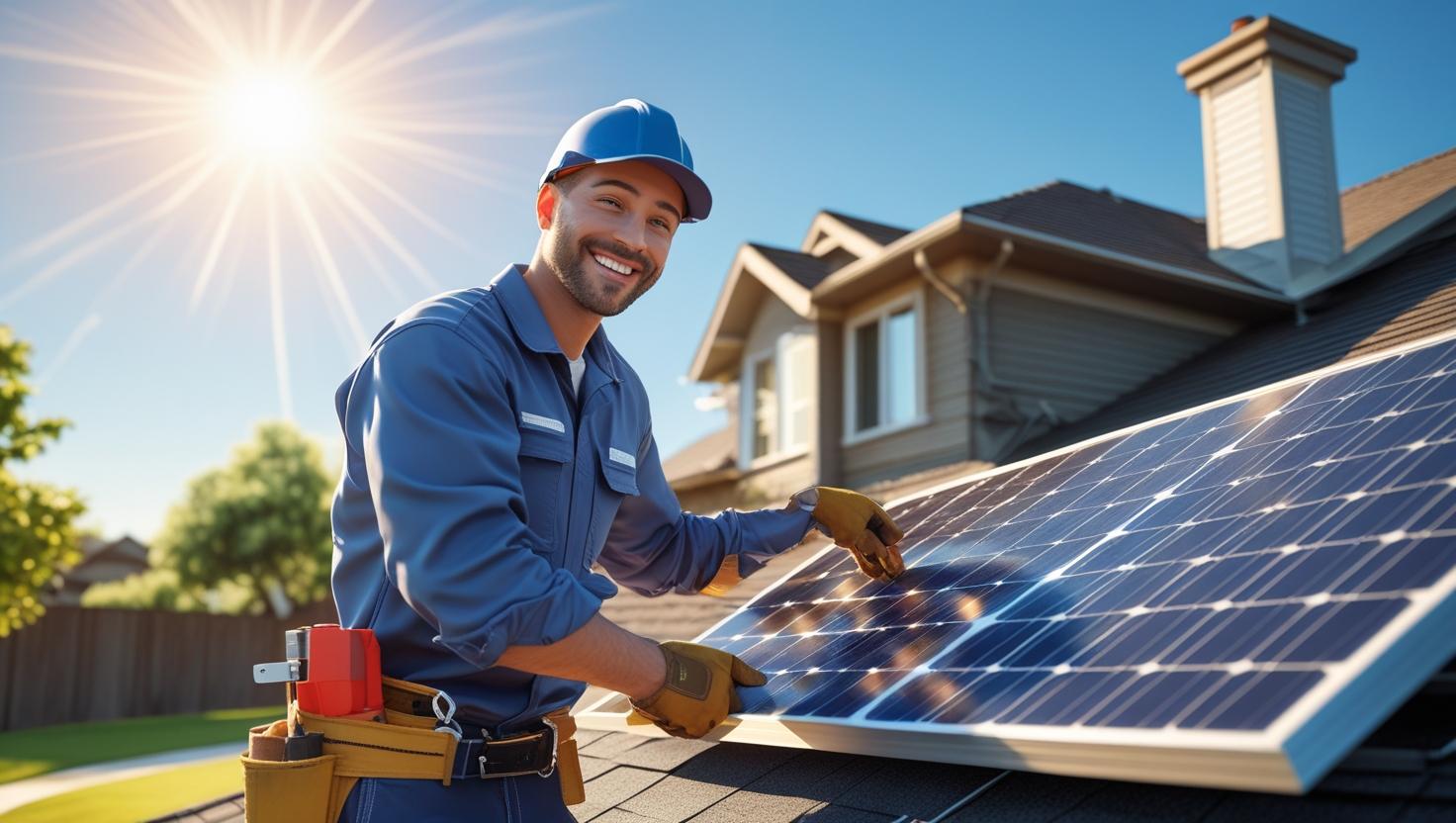
If your solar installer installed your system poorly, your solar bank can be held liable.
You may have a leaky roof, or the system was never given a permission to operate.
If you have issues, you can sue and win!
3. Dealer Fees Not Disclosed
If your solar salesperson put you into a solar finance contract with a low interest loan under 9% than they probably did not tell you about the dealer fees associated with the loan.
The solar bank can be held liable for what the salesperson did NOT say.
If you were not given all the facts the Truth In Lending Act was violated, and you can sue and win!

4. Solar Tax Credits Not Explained Correctly
If your solar salesperson told you you were getting a solar tax credit that would keep your 18-month teaser rate and you did NOT receive the full 30% tax credit in the first year, you have a strong case.
The solar bank asked you what your income is at application, if it was under $100,000 you were likely not going to received the 30% tax credit back in the first year.
If you were not given all the facts, you can sue and win!
It is best to speak to Solar Tax Pros to dive into the facts.
🛡️ Federal Consumer Protection Laws for Solar Homeowners
At Orphan Annie Solar, we believe every homeowner deserves transparency, honesty, and protection when it comes to their solar investment. Many homeowners were misled by aggressive sales tactics or unclear financing terms — and that’s where federal consumer protection laws step in.
Below are the key U.S. consumer protection acts that may apply to your solar installation, financing, or contract dispute.
⚖️ 1. Truth in Lending Act (TILA)
The Truth in Lending Act is one of the most important laws safeguarding homeowners from deceptive lending and sales practices.
What it covers:
TILA requires solar and home improvement companies to clearly disclose all financing terms before a lien or loan is placed on your home.
Required disclosures include:
-
The Annual Percentage Rate (APR)
-
The total amount financed
-
A clear payment schedule
-
Dealer fees, add-ons, or hidden markups that affect the loan cost
If your solar company inflated prices, bundled hidden fees, or failed to explain financing costs, it may be in violation of TILA. Homeowners also have a three-day right to cancel certain types of credit agreements.
🏠 2. Home Solicitation Sales Act (HSSA)
This law protects homeowners from door-to-door or in-home solar sales that happen outside a regular place of business.
Under the Federal Trade Commission’s Cooling-Off Rule, you have the right to cancel any sale over $25 made at your home within three business days.
Sales reps must provide a written cancellation notice and clear instructions on how to cancel. If they didn’t, you may have grounds to rescind the contract.
🧾 3. Real Estate Settlement Procedures Act (RESPA)
If your solar installation or financing created a lien or encumbrance on your home, RESPA ensures you were given full disclosure of settlement and financing costs.
Violations often occur when homeowners aren’t told about UCC-1 filings or when lien paperwork is buried in e-sign documents.
🧑⚖️ 4. Federal Trade Commission (FTC) Act
The FTC Act prohibits deceptive or unfair business practices.
This includes false advertising, misleading sales pitches, or failing to explain how financing affects your home ownership.
Solar companies that conceal liens or misstate financing terms can face serious FTC penalties.
🪪 5. Magnuson-Moss Warranty Act
If your solar system came with a “25-year warranty” or “lifetime guarantee,” this law requires the warranty terms to be clear and truthful.
Any financed warranty or service contract must be disclosed as part of your loan under TILA.
🏦 6. Dodd-Frank Act & Consumer Financial Protection Bureau (CFPB)
The Dodd-Frank Act established the CFPB, which regulates solar and home-improvement financing.
If your solar loan or PPA included undisclosed fees, misleading interest rates, or unauthorized liens, the CFPB can intervene.
📊 7. Home Mortgage Disclosure Act (HMDA)
If your solar provider arranged financing that places a lien on your property, HMDA rules require transparency in loan data and disclosure of terms.
This ensures homeowners understand how solar financing affects their mortgage or equity.
✋ 8. Equal Credit Opportunity Act (ECOA)
The ECOA ensures that all consumers are treated fairly when applying for credit or financing — including solar loans.
Lenders must explain any credit denial in writing and cannot discriminate based on race, gender, or age.
🧩 How These Laws Protect Solar Homeowners
-
Transparency: Dealers must disclose every fee, markup, and warranty cost.
-
Right to Cancel: You may have up to three business days to withdraw from a misleading solar contract.
-
Fair Financing: All credit and loan information must be accurate and fully disclosed.
-
Protection from Misrepresentation: Inflated per-watt pricing or hidden fees are considered deceptive under federal law.
⚡ Example of a Common Solar Violation
If a dealer quotes solar at $5.50 per watt when the true market rate is $4.00 per watt, and hides the difference as a “dealer fee” to lower the advertised APR — that’s a Truth in Lending Act violation.
Homeowners may be entitled to contract cancellation, restitution, or damages.
🏡 Your Rights as a Solar Homeowner
If your solar company failed to explain financing, added undisclosed fees, or placed a lien without consent — you are protected by federal law.
Orphan Annie Solar helps homeowners:
-
Understand their contracts and rights
-
Remove or disconnect unwanted solar systems
-
Restore control over their property
🚨 Take Action Today
If you suspect your solar company misled you or failed to follow disclosure laws, you have legal options.
Contact Orphan Annie Solar to review your solar agreement and explore your solar exit strategy safely and lawfully.
📞 (310) 620-6571
🌐 OrphanAnnieSolar.com